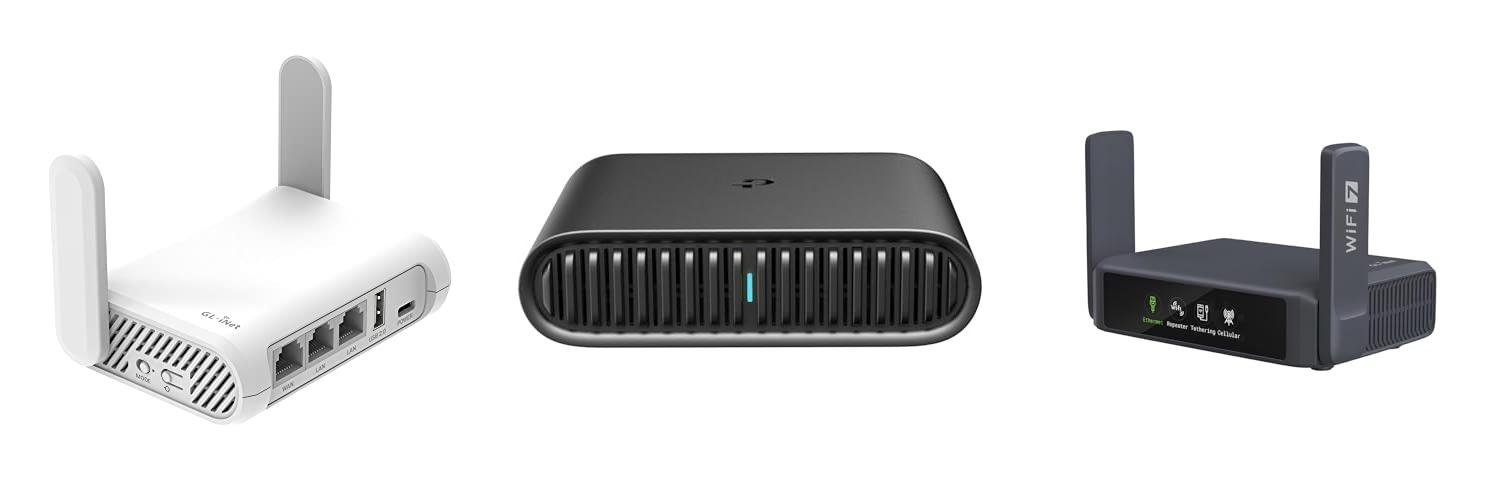
Imagine this: you’re exploring a new city, ready to share that breathtaking view with your friends back home. You reach for your phone, but oh no – no Wi-Fi signal! Or maybe you’re trying to book a last-minute tour, and the hotel Wi-Fi is slower than a snail. It’s frustrating, right? Staying connected when you travel is super important, but finding the best travel Wi-Fi router can feel like a confusing puzzle.
There are so many different types, and they all promise the fastest speeds and the strongest signals. How do you know which one is actually good for your trip? It’s easy to get lost in all the tech talk and end up with something that doesn’t work well. But don’t worry, we’re here to help!
In this blog post, we’ll break down everything you need to know about travel Wi-Fi routers. We’ll explain what makes a good one, what features to look for, and how to pick the perfect fit for your next adventure. By the end, you’ll feel confident choosing a router that keeps you connected, so you can share your amazing travel stories without a hitch. Let’s dive in and make your next trip a connected one!
Our Top 5 Travel Wifi Router Recommendations at a Glance
Top 5 Travel Wifi Router Detailed Reviews
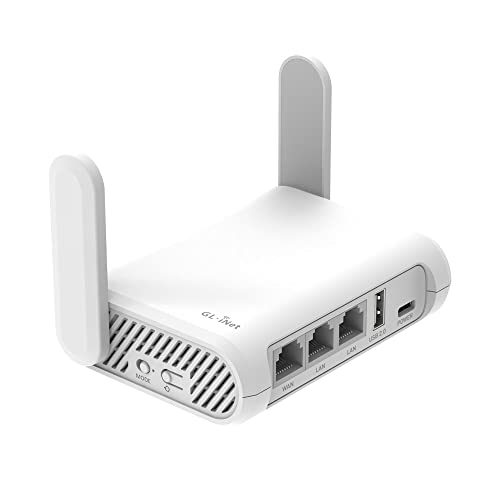
1. GL.iNet GL-SFT1200 (Opal) Portable WiFi Travel Router
Rating: 9.3/10
The GL.iNet GL-SFT1200 (Opal) is a small but mighty travel router. It helps you create your own secure Wi-Fi network wherever you go. It’s great for people who travel a lot, use public Wi-Fi, or need a reliable internet connection for their business or RV.
What We Like:
- It’s super fast with AC1200 dual-band Wi-Fi, giving you speeds up to 300 Mbps on 2.4GHz and 867 Mbps on 5GHz.
- Setting it up is easy, especially with the helpful user manual and setup video.
- It’s very lightweight (only 145g) and small, making it easy to carry in your pocket or bag.
- It has full Gigabit ports, including two LAN and one WAN port, so you can connect wired devices quickly.
- You can keep your internet safe with built-in OpenVPN and WireGuard, and it works with many VPN services.
- It can turn public Wi-Fi into your own private, secure network, which is great for coffee shops or hotels.
- A cool feature is the physical switch that lets you quickly turn your VPN on or off.
- The retractable antennas help get a better Wi-Fi signal, and you can position them for the best coverage.
What Could Be Improved:
- While it supports many VPNs, you need to set up the VPN toggle switch in the admin panel first.
- It doesn’t support easytethering, which might be a limitation for some users.
The GL.iNet GL-SFT1200 (Opal) is a fantastic option for secure and fast internet on the go. Its compact size and powerful features make it a top choice for any traveler.
2. TP-Link Ultra-Portable Wi-Fi 6 AX1500 Travel Router TL-WR1502X

Rating: 8.9/10
The TP-Link Ultra-Portable Wi-Fi 6 AX1500 Travel Router TL-WR1502X is your new best friend for staying connected on the go. This tiny but mighty router packs a punch with super-fast Wi-Fi 6 speeds, making it easy to stream, download, and game without any annoying slowdowns. Its super compact and tough design means you can toss it in your bag and take it anywhere your adventures lead.
What We Like:
- Super Speedy Wi-Fi 6: Enjoy lightning-fast internet with AX1500 dual-band speeds, perfect for all your online activities.
- Ultra-Portable and Tough: Its small size makes it easy to carry, and its durable build means it can handle life on the road.
- Connect Anywhere: Use it in hotels, RVs, cafes, or even on the road to create your own secure Wi-Fi network.
- Easy Sharing: Share files from a USB drive or use your phone’s data to get online with other devices.
- Flexible Power Options: Power it up with a compatible power bank using the USB-C port.
- One-Step Public Wi-Fi Access: The Tether app makes it super simple to connect to public Wi-Fi and create your own private network.
- User-Friendly App: Easily set up and manage your router with the free Tether App for your phone.
What Could Be Improved:
- Requires Separate 3G/4G Modem: This router needs a separate USB modem to use cellular data.
- No OpenWRT Support: If you’re a fan of custom firmware, this model doesn’t support OpenWRT.
This travel router is a fantastic solution for anyone who needs reliable internet access wherever they go. It’s designed for ease of use and offers great performance for its size.
3. GL.iNet GL-BE3600 (Slate 7) Portable Travel Router

Rating: 9.3/10
The GL.iNet GL-BE3600 (Slate 7) is a powerful and portable Wi-Fi 7 travel router designed to keep you connected wherever you go. It packs advanced features into a pocket-sized device, making it ideal for business trips, vacations, or even working from your RV or a cruise ship. With its dual-band Wi-Fi 7, you get super-fast wireless speeds, and the dual 2.5G Ethernet ports offer flexible wired connections. Plus, a USB 3.0 port adds even more convenience.
What We Like:
- It offers incredibly fast Wi-Fi 7 speeds with its dual-band capabilities, reaching 688Mbps on 2.4G and 2882Mbps on 5G.
- The touchscreen interface makes it super easy to manage your network, scan QR codes for Wi-Fi, and check your connection status at a glance.
- It runs on OpenWrt 23.05 firmware, giving you lots of options to customize your network and install extra features.
- You can easily set up and use VPNs with OpenVPN and WireGuard, and it even supports VPN cascading, letting you connect to a VPN server and client at the same time.
- Security is a top priority with WPA3 protocol, DNS over HTTPS & TLS, and IPv6 support to keep your online activity safe.
- It’s small and light, making it the perfect travel companion for secure internet access anywhere.
What Could Be Improved:
- While VPN speeds are good, real-world speeds can vary depending on your network setup.
- The touchscreen button’s default function is “No Function,” meaning you need to set it up before using features like AdGuard or VPN toggling.
Overall, the GL.iNet GL-BE3600 (Slate 7) is a fantastic choice for anyone who needs reliable, secure, and fast internet on the go. Its user-friendly design and advanced features make it a standout portable router.
4. GL.iNet GL-MT3000 (Beryl AX) Portable Travel Router

Rating: 8.9/10
The GL.iNet GL-MT3000 (Beryl AX) is a powerful and compact travel router that brings Wi-Fi 6 speeds and robust security features wherever you go. It’s designed for globetrotters, business professionals, and anyone who needs reliable and secure internet access on the move, whether you’re on a plane, in an RV, or at a hotel.
What We Like:
- Super-fast Wi-Fi 6 speeds with dual-band (2.4G and 5G) support.
- Built-in VPN client and server capabilities with OpenVPN and WireGuard pre-installed.
- OpenWrt 21.02 firmware offers deep customization with thousands of plug-ins.
- Enhanced network security with WPA3, DNS over HTTPS/TLS, and IPv6.
- VPN cascading lets you connect to a VPN and access local network resources at the same time.
- Compact and portable design makes it ideal for travel.
- Easy to set up with a dedicated physical toggle switch for key features.
- Includes US, UK, and EU plugs for international use.
What Could Be Improved:
- Maximum VPN speeds might be lower than your internet connection speed.
- The physical toggle switch needs to be configured in the admin panel to function.
The Beryl AX is a fantastic choice for anyone needing secure and fast internet on the go. Its advanced features and user-friendly design make it a top pick for modern travelers.
5. TP-Link Dual-Band Wi-Fi 6 AX3000 Travel Router TL-WR3002X

Rating: 8.7/10
The TP-Link Dual-Band Wi-Fi 6 AX3000 Travel Router TL-WR3002X is your ultimate companion for staying connected wherever you go. This portable powerhouse packs Wi-Fi 6 speeds and advanced security features into a small package. It’s designed for travelers who need reliable and secure internet access, whether you’re in a hotel, on a cruise, or working remotely.
What We Like:
- Super-fast Wi-Fi 6 speeds (AX3000) for smooth streaming and downloads.
- Versatile modes: Router, Hotspot, and AP/RE to fit any network need.
- Multi-Gigabit ports (2.5 Gbps WAN/LAN) for lightning-fast wired connections.
- Robust security with OpenVPN and WireGuard support, keeping your data safe.
- Easy public Wi-Fi sharing with one-step captive portal authentication.
- Flexible power options via USB-C, including power banks.
- Supports connecting up to 80 devices simultaneously.
- TP-Link’s commitment to Secure-by-Design principles.
What Could Be Improved:
- The advanced features might require a bit of a learning curve for less tech-savvy users.
- For some, the price point might be a consideration compared to basic travel routers.
This router offers a fantastic blend of speed, security, and portability. It’s an excellent investment for anyone who prioritizes a stable and protected internet connection while traveling.
Your Pocket-Sized Internet Buddy: A Travel WiFi Router Buying Guide
Traveling is awesome! You get to see new places and try new things. But staying connected can be a hassle. You might need to check maps, share photos, or even work on the go. That’s where a travel WiFi router comes in handy. It’s like your own personal WiFi hotspot that you can take anywhere.
Why You Need a Travel WiFi Router
Imagine this: You land in a new country. You need to tell your family you arrived safely, but your phone’s data is super expensive. Or maybe you’re on a train and want to stream a movie, but the WiFi is spotty. A travel WiFi router solves these problems. It lets you connect multiple devices to the internet using a SIM card, often at a much lower cost than roaming.
Key Features to Look For
When you’re shopping for a travel WiFi router, keep these important features in mind:
1. Network Compatibility
- 4G/LTE and 5G Support: Make sure the router works with the latest mobile networks. This means faster speeds and a more reliable connection. Check if it supports the specific bands used in the countries you plan to visit.
- Global Frequency Bands: Routers designed for travel support many different frequency bands. This increases the chance it will work wherever you go.
2. Battery Life
- Long-Lasting Battery: You don’t want your internet to die when you need it most. Look for a router that can last for at least 8-10 hours on a single charge. Some even let you swap out batteries.
3. Number of Connected Devices
- Simultaneous Connections: How many phones, laptops, or tablets do you want to connect at once? Most routers support between 5 and 15 devices. If you’re traveling with family or friends, you’ll need one that handles more.
4. Security Features
- WPA2/WPA3 Encryption: These are important security settings. They protect your internet connection from hackers. Think of it like a strong lock on your digital door.
5. Ease of Use
- Simple Setup: You should be able to turn it on, insert a SIM card, and connect easily. Many routers have a user-friendly app to manage settings.
6. Size and Portability
- Compact Design: It should be small enough to fit in your pocket or bag without adding much weight.
Important Materials and Build Quality
Most travel WiFi routers are made from durable plastic. This keeps them light and able to withstand some bumps. Look for a sturdy casing that feels good in your hand. The antenna quality also matters for signal strength.
Factors That Affect Quality
- Signal Strength: This depends on the router’s antennas and the mobile network in your area. A good router will pick up signals even in weaker areas.
- Processor Speed: A faster processor means quicker internet speeds and a smoother experience for all connected devices.
- Software Updates: Manufacturers sometimes release updates to improve performance or add new features. Regular updates keep your router running well.
- SIM Card Slot Type: Ensure it accepts the correct SIM card size (standard, micro, or nano).
User Experience and Use Cases
Using a travel WiFi router is usually straightforward. You pop in a local SIM card (or an eSIM if supported), turn it on, and connect your devices using the WiFi password.
- For the Solo Traveler: Stay connected for navigation, booking hotels, and sharing your adventures on social media.
- For Families or Groups: Everyone can use their devices without worrying about expensive roaming charges. Share the connection for streaming, gaming, or video calls.
- For Remote Workers: Maintain a reliable internet connection for important video conferences and tasks, no matter where your work takes you.
- In Remote Areas: When hotel WiFi is weak or unavailable, your travel router becomes your lifeline.
Frequently Asked Questions (FAQ) About Travel WiFi Routers
Q: What is a travel WiFi router?
A: A travel WiFi router is a small, portable device that creates your own private WiFi hotspot. You put a SIM card in it, and it connects to the mobile internet, allowing multiple devices to share that connection.
Q: Do I need a SIM card for a travel WiFi router?
A: Yes, most travel WiFi routers require a SIM card from a local mobile carrier to access the internet. Some newer models support eSIMs, which are digital SIM cards.
Q: Can I use my home WiFi router when traveling?
A: No, home WiFi routers are designed to connect to fixed internet lines, not mobile networks. A travel WiFi router is specifically built for mobile internet access.
Q: How fast is the internet with a travel WiFi router?
A: The speed depends on the mobile network you’re connected to and the router’s capabilities. With 4G or 5G support, you can expect speeds similar to or even better than home broadband in many areas.
Q: How many devices can connect to a travel WiFi router?
A: Most travel routers can connect between 5 and 15 devices simultaneously. Check the product specifications for the exact number.
Q: Is it cheaper to use a travel WiFi router than my phone’s hotspot?
A: Often, yes. Buying a local SIM card and using a travel router can be much cheaper than paying for international roaming on your phone or using its built-in hotspot feature, especially for extended trips or multiple devices.
Q: What is an eSIM, and do travel routers support it?
A: An eSIM is a digital SIM card that’s built into your device. Some newer travel routers support eSIMs, which means you don’t need a physical SIM card; you can activate a plan digitally.
Q: Will a travel WiFi router work in any country?
A: Many travel routers are designed with global frequency bands, meaning they work in most countries. However, it’s always best to check if the router supports the specific mobile networks and bands used in your destination.
Q: How long does the battery on a travel WiFi router last?
A: Battery life varies, but many models offer 8-10 hours of continuous use. Some allow for battery replacement, extending your connectivity time.
Q: Is a travel WiFi router secure?
A: Yes, most travel routers use strong security protocols like WPA2 or WPA3 encryption to protect your network from unauthorized access, just like your home WiFi.
In conclusion, every product has unique features and benefits. We hope this review helps you decide if it meets your needs. An informed choice ensures the best experience.
If you have any questions or feedback, please share them in the comments. Your input helps everyone. Thank you for reading.

My name is Gary Flores, the creator of deepskyblue-owl-132507.hostingersite.com.. With a passion for creating cozy, functional, and beautiful spaces, I share my personal experiences and expertise about everything related to home improvement. From practical tips to design inspiration, my goal is to help you make your home the best it can be.